

Cigars and Drinks: The Ultimate Guide to Pairing Cigars and Drinks
May 3,
Beginners Guide to Cuban Cigars
September 20,Introduction
Luxury has long been synonymous with exclusivity, high price tags, and elegance. Whether it’s a Swiss watch, an expensive handbag, or a fine bottle of wine, luxury goods tend to be appreciated by the few who can afford them. Or who have the codes to understand what luxury is. However, one product often stands at a curious intersection in the luxury realm: the cigar.
Compared to other luxury items, cigars might be surprisingly affordable — but does that make them the cheapest luxury product?
Let’s explore together te relatioship between cigars and luxury. Both perceived and real.
The Definition of a Luxury Product
To determine whether cigars are the “cheapest luxury product,” we need to clarify what defines a luxury item. Typically, luxury products are characterized by:
- High quality craftsmanship
- Exclusivity or rarity
- Prestige and brand reputation
- History
- Price
- Emotional or experiential value beyond utility
People don’t buy luxury goods just because they need them — they buy them for the feeling, the status, the pleasure, and the story behind them.
What makes a good luxurious is the ability from the brand to create an immaterial heritage around the product.
Cigars as a Luxury Product
Considering these characteristics, we can see that cigars check most of the luxury boxes:
- Craftsmanship: Cigars are hand-rolled using aged tobacco. They are rolled by skilled artisans in countries like Cuba, the Dominican Republic, and Nicaragua. These cigar rollers (torcedor/torcedora) often need years to master their art.
- Exclusivity: Limited edition cigars can be rare and difficult to find. Also the price can represent a barrier to entry
- Prestige: Cigar smoking has long been associated with celebration, power, and sophistication.
- Experience: A cigar is not just smoked like a cigarette. You have to savor it. The ritual of cutting, lighting, and slowly smoking a cigar is meditative and rich in tradition.
So even though cigars are sometimes very affordable, they still check nearly all the boxes associated with luxury.
The Time and Craft Behind a Single Cigar
When you’re holding a cigar, you’re not just holding rolled leaves of tobacco. You are holding a mix of agricultural and artisanal process which took years to be developped. And even after years, the very cigar you are holding took months to be created: the plant had to grow, the leaves had to dry, etc.

A field of future cigars
It starts in the fields
Long before a cigar ever takes shape, it all starts in the fields. Tobacco plants need expert care from day one — from choosing the right seeds for flavor and strength, to carefully preparing the soil and protecting the crops. It’s a slow, hands-on process that takes months of work before a single leaf is even ready to harvest.
Curing and fermenting
Once harvested, the tobacco leaves are air-cured in barns for 30–60 days to remove moisture and begin flavor development.
Then the leaves undergo fermentation, sometimes multiple rounds, to reduce harshness and bring out nuanced flavors.
This process can take 6 to 18 months, and in some cases, years for top-tier tobacco.
️ Sorting and aging
Leaves are sorted by size, color, and texture before being aged in bales. The sorting is entirely done by hand. Aging can last anywhere from 1 to 10 years, depending on the desired achievement. This creates even more complexity and smoothness, much like fine wine or whiskey.
Hand-rolling
Finally, skilled torcedores (cigar rollers) — often with decades of experience — carefully roll each cigar by hand. Every cut, fold, and press must be exact. A single experienced roller can take 20 to 40 minutes to roll a perfect cigar, and often rolls hundreds per day, each inspected for draw, firmness, and shape.
From my point of view, the art of this process alone makes the cigar part of the luxury goods.
Quality control
Each cigar is then inspected, sometimes draw-tested, and placed in cedar-lined boxes to rest further. From the fields of Nicaragua or the valleys of Cuba to your humidor, a single premium cigar can represent 3 to 5 years of labor, craft, and patience.
And Yet… It Costs Less Than a Bottle of Wine
Given the time, hands-on labor, and tradition behind each cigar, it’s almost shocking how affordable they remain. A cigar that took years to make might cost you only $8 to $15 — whereas a bottle of wine aged only 2 years might be triple that. Compare that again to a luxury watch, which involves similar artisanal skill, and costs thousands.
This makes cigars arguably the best value-per-minute in the world of luxury.
Comparing Costs: Cigar vs Other Luxury Goods
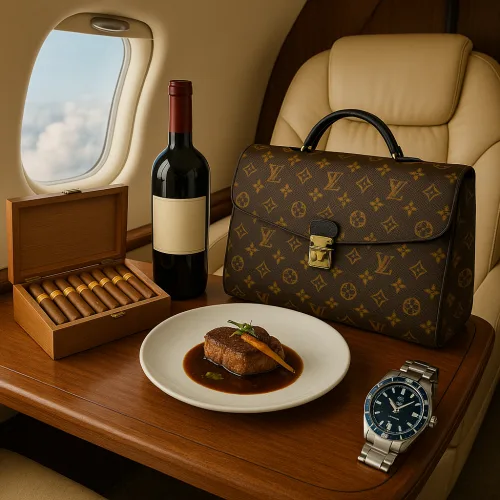
Let’s stack cigars against other traditional luxury products in terms of average cost and accessibility.
| Luxury Product | Average Entry-Level Price | High-End Price | Experience Duration |
| Premium Cigar | $10 – $30 | $100+ | 45 mins – 2 hours |
| Fine Wine/Bottle | $30 – $100 | $1,000+ | One meal (shared) |
| Designer Watch | $1,000+ | $50,000+ | Lifetime |
| Luxury Handbag | $2,000+ | $100,000+ | Lifetime |
| Private Jet Rental | $5,000/hour | $20,000/hour | A few hours |
| Michelin-Star Meal | $300+ per person | $1,000+ | 2–3 hours |
As we can see, cigars offer a relatively long-lasting luxury experience at a fraction of the cost of other items
The Psychology of Affordable Luxury
One reason cigars may feel especially luxurious despite their cost is the psychological effect of affordable indulgence. For many, luxury is not about owning the most expensive object, but about creating a moment of escape or refinement.
Cigars provide:
- Ritual: Lighting and enjoying a cigar can be as ceremonial as drinking a rare Scotch.
- Exclusivity: While affordable, high-quality cigars are not part of mainstream culture, adding an element of elitism.
- Personal indulgence: Cigars are normally not rushed. You take the time to smoke it. And the most expensive resource in this life is time.
Thus, cigars hit that sweet spot of offering a luxury feeling without the associated financial burden.
Cultural Significance: Luxury Beyond Price
In many societies, cigars have long been symbols of celebration and status. Think of movie moguls, political leaders, or celebrities — a cigar is often an accessory of power.
- Historical Associations: Winston Churchill was rarely seen without a cigar. JFK famously smoked Cuban cigars. This link to powerful figures enhances their luxury appeal.
- Pop Culture: Cigar scenes in films and other cultural work reinforce their image as luxury items.
- Celebration: Cigars are commonly associated with special events (weddings, births, promotions) giving them symbolic value beyond their price.
Are All Cigars Luxury?
It’s important to distinguish between machine-made cigars and hand-rolled premium cigars. While the former can cost under $2 and are mass-produced, the latter are made using aged, high-quality tobacco and meticulous rolling techniques.
These are obviously the cigars we’re referring to as “luxury.”
Additionally, cigar lounges, humidors, and collectors’ items add further dimensions to the luxury ecosystem around cigars.
The Hidden Costs of Cigar Smoking
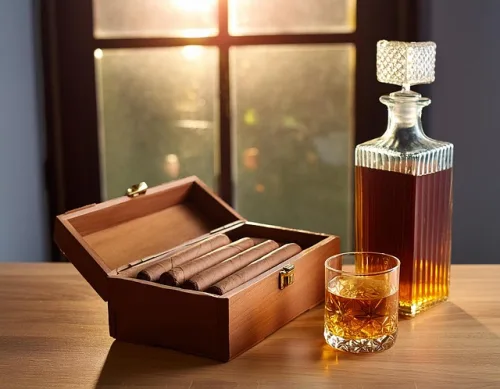
While cigars themselves can be affordable, there are hidden costs that some connoisseurs embrace:
- Humidor: A good one can cost $100 to $1,000+
- Cutter and lighter: Premium accessories may add another $100+
- Lounge access: Exclusive memberships or high-end cigar lounges may have fees or minimums
However, these costs are optional and usually spread over time — still making cigars more accessible than most other luxury habits.
Cigar Collecting: A Growing Luxury Market
Like wine, watches, and art, rare cigars have become collectibles. Vintage boxes, aged cigars, or limited editions can fetch thousands of dollars. The cigar auction market is growing, especially in regions like Asia and the Middle East.
This aspect reinforces cigars as part of the luxury economy — but still allows entry-level enjoyment at a modest price.
Conclusion
Yes, cigars may very well be the most accessible luxury product on the market.
They deliver the depth, ritual, and status of luxury without requiring a millionaire’s income. Whether enjoyed alone in quiet reflection or shared among friends in a velvet lounge, the cigar offers a luxury experience that most people can afford — if not daily, at least on special occasions.
In a world where luxury is often defined by exclusivity and price tags, cigars are a refreshing contradiction. They remain a luxury in spirit, tradition, and experience — yet one that invites more people to participate.
So next time you light up a fine cigar, take a moment to reflect on the work embedded in that rolled object and the fact that you might just be enjoying the most accessible luxury on the planet.